

Obidos is one of those places that looks like a movie set, until you realize it is actually a living manual of medieval Portugal: walkable walls, narrow streets pulling you in, and a castle that once hosted politics, royal dowries and military strategy.
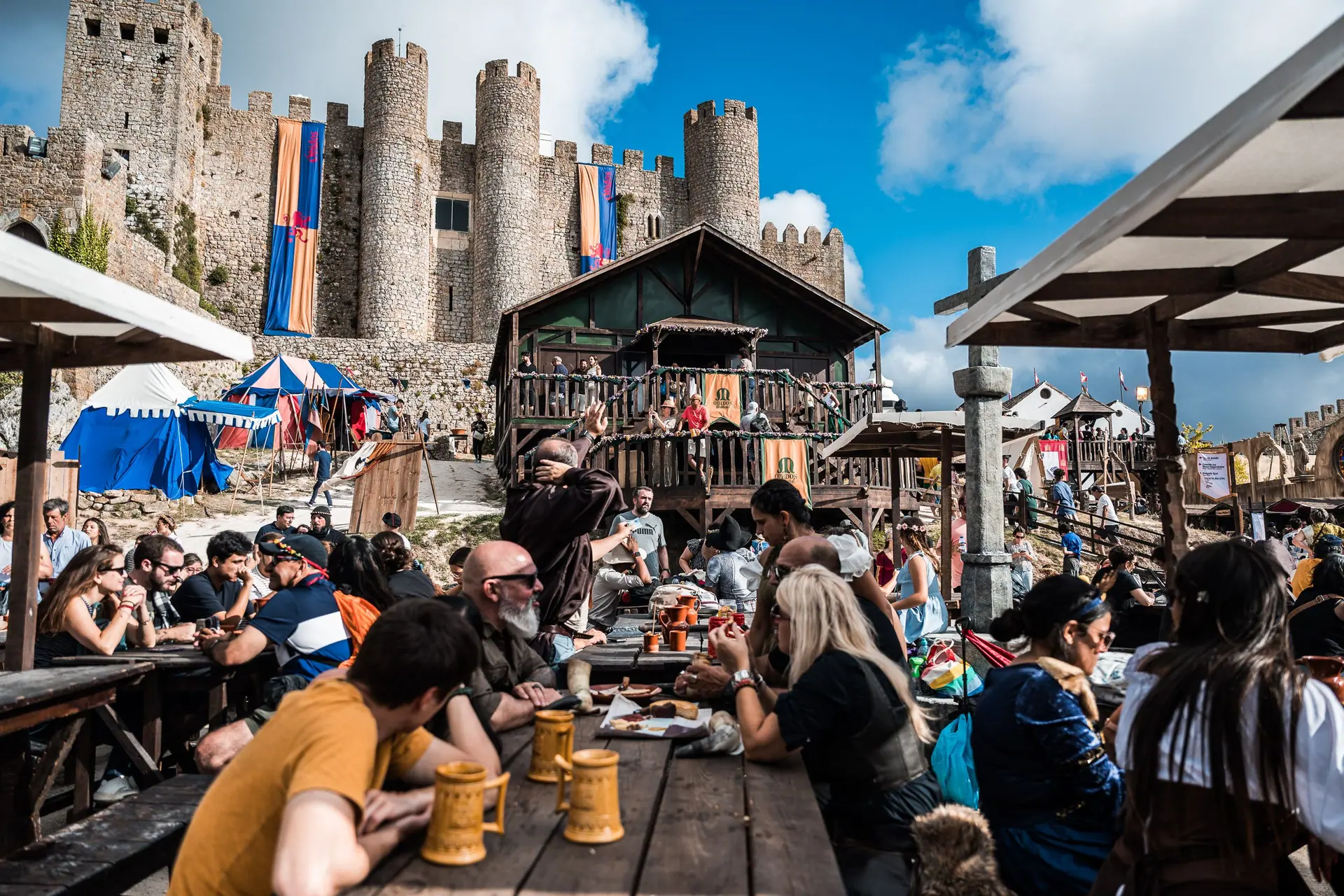
Then there is the Medieval Market. For a few days, usually in July, the town turns into a medieval borough with historical reenactment, gastronomy and entertainment, like a time machine with roast aromas and drum sounds.
Why Obidos is known as the "Village of Queens"
The town was granted by King Dinis to Queen Saint Isabel (traditionally described as a marriage-related gift), and it became part of the so-called House of Queens for centuries.
There is also a charter reference in 1326 associated with Queen Saint Isabel, reinforcing this status as "land of queens".
This connection explains much of Obidos' tone: a fortified town, yes, but also a place with symbolic and institutional weight, not only military relevance.
A castle that is not only pretty: what it actually meant
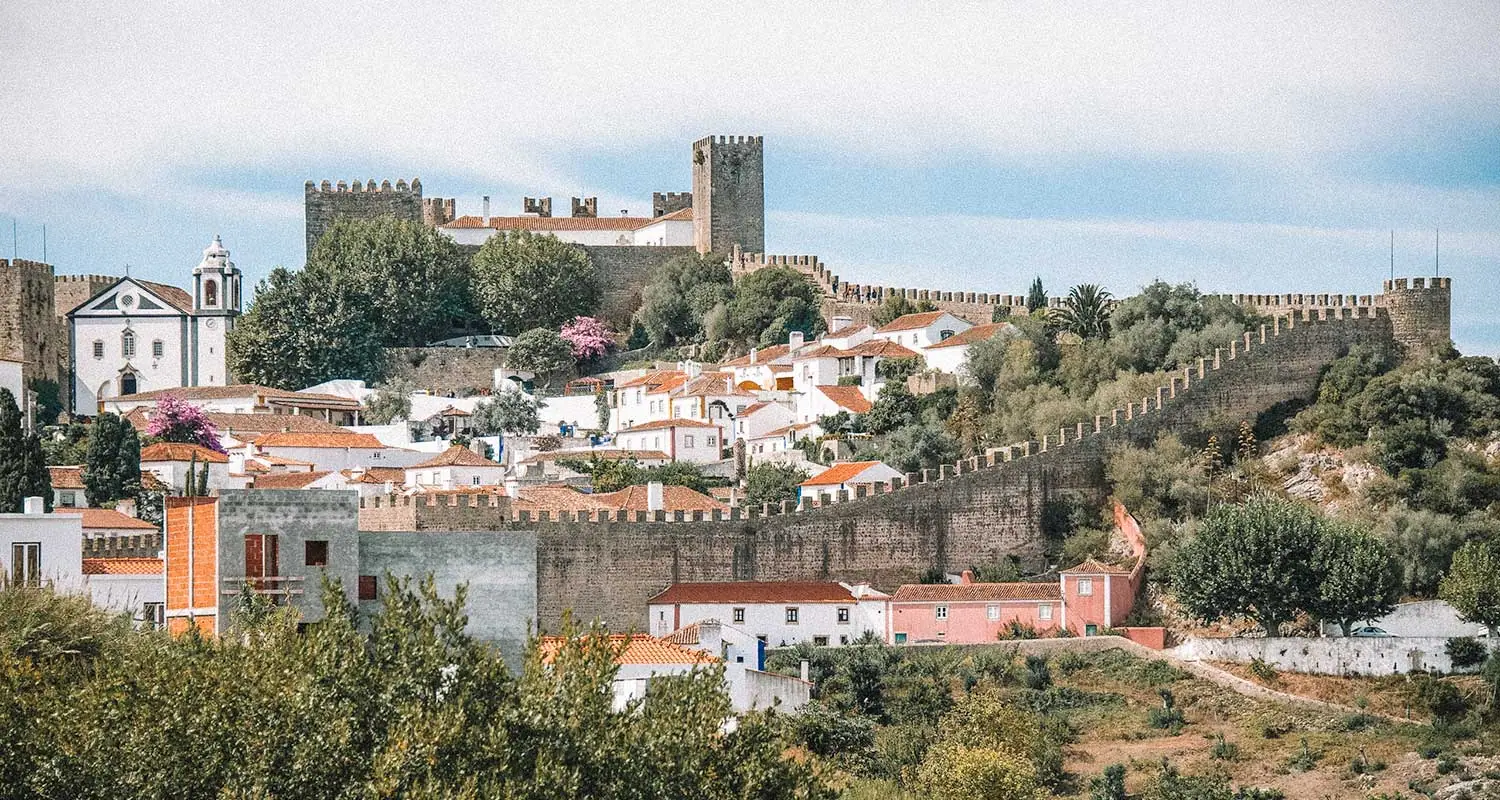
Visibility and control over the surrounding landscape.
Walkable walls, meaning the experience of reading the town from above.
Gates designed for defense and movement flow.
If you want a great detail to tell someone while sipping a ginjinha: Porta da Vila is not just a gate. It is also a place full of religious and urban symbolism, with 18th-century tile panels and a defensive layout typical of bent entrances (anti-cavalry).
The Medieval Market: what it really is (and what to expect)
Food and craft stalls.
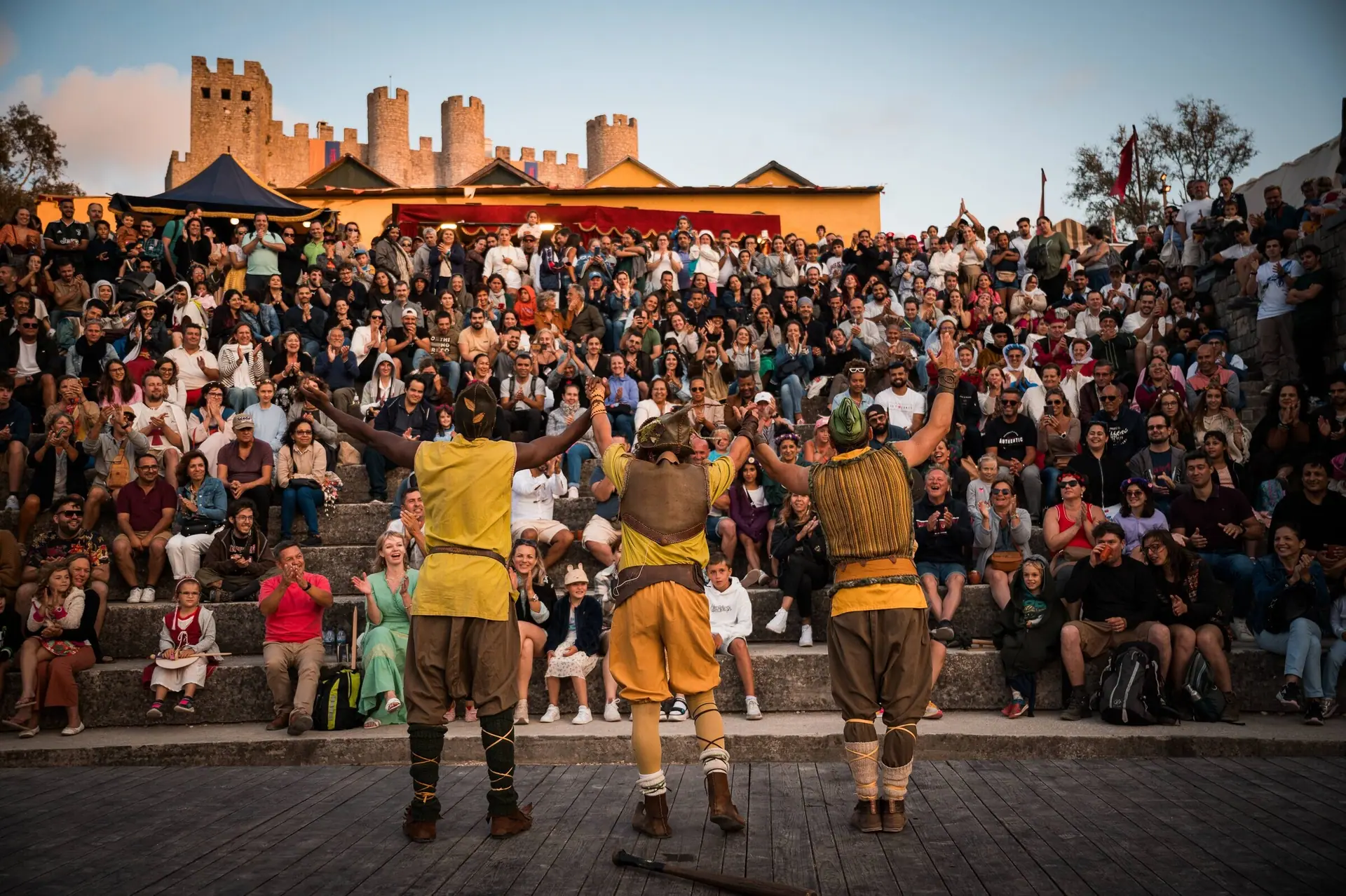
Entertainment, shows and music.
Reenactments and themed atmosphere (each edition usually follows a narrative theme).
When does it happen
“Obidos is where time slows down for travelers who value detail.”
The organization publishes official dates and opening hours for each edition. For example, in 2025 it ran from July 17 to July 27, with different schedules depending on the day.
For the current year, the safest reference is always the official event website.
Practical tip: do not plan based on old blog posts. Obidos events change dates and formats, and the Medieval Market is large enough for that to happen.
Behind-the-scenes logistics: how to enjoy it without wasting energy
What usually breaks your pace
Arriving late and hitting peak entry/parking times.
Trying to see everything too fast.
Being uncomfortable (irregular stone pavement, climbs and walls).
What works better in practice
Arrive before peak and enjoy the normal town (history, local shops, photos) before the town in festival mode.
Wear serious footwear, because this is not the place for slippery soles.
Define 1-2 anchors (for example walls + castle + market at night) instead of running a checklist.
When private transfer is worth it (and when not)
Obidos can absolutely be done independently. But private transfer shines when the goal is to turn transportation into part of the journey.
It makes sense when
You want to combine Obidos with more cultural or gastronomic stops in the West region.
You want schedule control, especially on event days.
You are traveling with family/group and want to reduce micro-decisions (where to park, how long to stay, how to return).
The combination that becomes a full tour
Obidos pairs extremely well with a route that includes coastline and viewpoints, and that is exactly the kind of day that gives more value than a simple out-and-back trip.
Ready-made mini-itineraries
"Essential Obidos + Medieval Market" route: arrival and short walk through the historic town, walls + castle for views, early dinner and market entry with time (no rush), return at a fixed time.
"Obidos + Gastronomic West" route: Obidos in the morning (calmer), gastronomic stop/winery/local product, Medieval Market in late afternoon/evening.
These routes sell very well because they protect the traveler's most valuable asset: mental energy.